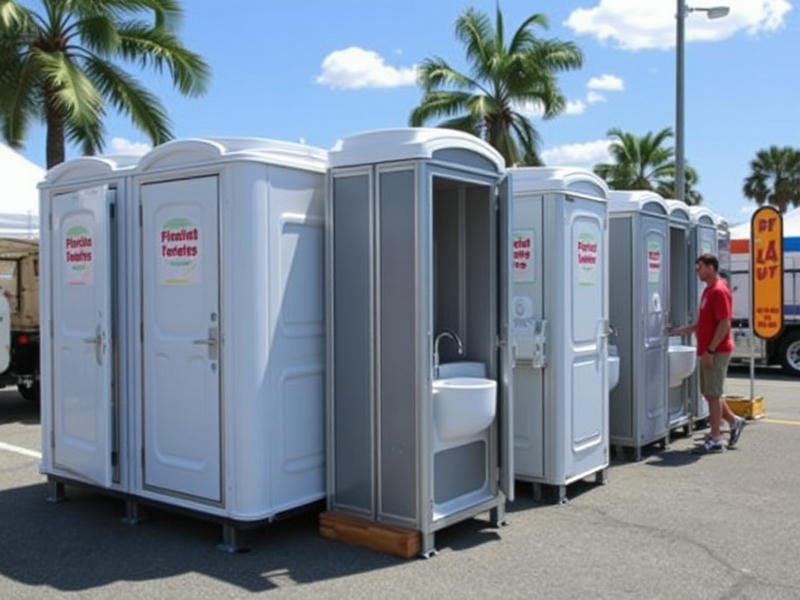
Sustainable Waste Management Enhanced by Green Portable Restroom Rentals
Posted by on 2024-10-14
The Environmental Impact of Traditional Restroom Facilities
The Environmental Impact of Traditional Restroom Facilities has become an increasingly pressing topic in the conversation about sustainable waste management. Traditional restroom facilities, often found in commercial buildings, public spaces, and residential areas, contribute significantly to environmental degradation through excessive water use, chemical contamination, and infrastructural demands that are neither efficient nor eco-friendly.
One of the primary environmental concerns associated with traditional restrooms is their high water consumption. Conventional toilets can use up to 3.5 gallons per flush, leading to millions of gallons of freshwater being wasted daily across the globe. This not only depletes precious water resources but also places a significant burden on sewage systems and wastewater treatment plants. The energy required to treat this wastewater further adds to carbon emissions, exacerbating climate change.
Moreover, traditional restrooms often rely on harsh chemical cleaners that can harm local ecosystems once they enter the water supply. These chemicals can disrupt aquatic life and lead to long-term soil degradation if not managed properly. Additionally, the construction and maintenance of restroom infrastructure demand substantial raw materials such as concrete and porcelain, contributing to resource depletion and habitat destruction.
In contrast, green portable restroom rentals offer a more sustainable solution that aligns with modern environmental goals. These facilities are designed to minimize water usage by utilizing innovative technologies such as low-flush or composting toilets that significantly reduce water consumption compared to their traditional counterparts. Many portable units also incorporate solar-powered ventilation systems, reducing reliance on non-renewable energy sources.
Green portable restrooms often employ biodegradable cleaning agents that mitigate the risk of harmful chemical run-off into ecosystems. By using eco-friendly materials for construction and ensuring efficient waste disposal methods – such as converting human waste into biofertilizers – these restrooms help close the loop in sustainable waste management practices.
Furthermore, green portable restrooms provide flexibility in location without necessitating extensive plumbing infrastructure or permanent alterations to landscapes. This adaptability makes them ideal for outdoor events or areas where traditional restroom facilities would otherwise be environmentally intrusive or costly.
Ultimately, while traditional restroom facilities have long been an integral part of our built environment, their environmental impact cannot be ignored in our quest for sustainability. By shifting towards green portable restroom rentals that emphasize reduced resource consumption and minimal ecological footprint, we take a significant step forward in embracing responsible waste management practices that prioritize both human comfort and environmental health.
Through thoughtful planning and implementation of sustainable alternatives like green portable restrooms, we can pave the way for a future where convenience does not come at the cost of our planet's wellbeing._green_portable_restroom_rentals
Overview of Green Portable Restroom Rentals
In recent years, the growing emphasis on sustainable practices has permeated various sectors, including waste management. Among these innovative approaches is the emergence of green portable restroom rentals, a transformative solution that aligns environmental responsibility with practical necessities. These eco-friendly facilities offer an essential service at events and construction sites while significantly mitigating their environmental impact.
Traditional portable restrooms often rely heavily on chemical deodorizers and non-biodegradable materials, contributing to pollution and resource depletion. In contrast, green portable restroom rentals prioritize sustainability through several key features. Firstly, they are constructed using recycled or biodegradable materials, reducing the demand for new resources and minimizing landfill waste at the end of their lifecycle.
Moreover, these restrooms employ environmentally friendly sanitation techniques. They utilize waterless or low-water flushing systems that conserve precious water resources—an important consideration in today’s world where water scarcity is becoming increasingly prevalent. Some models incorporate solar panels to power ventilation fans and lighting, further decreasing their carbon footprint by reducing reliance on non-renewable energy sources.
Another crucial aspect of green portable restrooms is their use of eco-friendly cleaning agents and deodorizers made from natural ingredients. This reduces the release of harmful chemicals into the environment and ensures safety for users. Additionally, many providers adopt sustainable waste disposal practices by partnering with waste treatment facilities that specialize in recycling or composting human waste into fertilizers.
The benefits of integrating green portable restrooms into sustainable waste management strategies extend beyond environmental preservation. They offer economic advantages as well; organizations can reduce costs related to water usage and energy consumption while enhancing their reputation by demonstrating a commitment to sustainability.
Furthermore, green portable restrooms contribute positively to public health by maintaining higher hygiene standards through improved sanitation technology. This can lead to fewer health risks associated with poorly managed sanitation facilities at crowded events or remote locations.
In summary, green portable restroom rentals represent a pivotal advancement in sustainable waste management. By embracing eco-friendly materials, energy-efficient technologies, and responsible disposal methods, these innovative solutions provide an effective way to address both practical needs and environmental challenges. As society continues to prioritize sustainability, the adoption of such progressive practices will undoubtedly play an integral role in shaping a cleaner and more responsible future for all.
Key Features of Eco-Friendly Portable Restrooms
In the realm of sustainable waste management, the integration of eco-friendly portable restrooms stands out as a significant advancement. These innovative solutions are reshaping how we approach sanitation, particularly in settings that lack permanent facilities. As society becomes more conscious of environmental impacts, the demand for green portable restroom rentals is on the rise. This trend not only addresses immediate sanitary needs but also aligns with broader ecological goals.
One of the key features of eco-friendly portable restrooms is their use of sustainable materials. Traditional portable toilets often rely on plastics and other non-biodegradable materials that can contribute to pollution and landfill accumulation. In contrast, eco-friendly options utilize recycled or biodegradable materials, significantly reducing their environmental footprint. This choice of materials ensures that once these units are decommissioned, they have minimal long-term impact on the planet.
Another vital aspect is water conservation. Conventional toilets can use large amounts of water per flush, which is neither practical nor environmentally responsible in many scenarios where portable restrooms are needed. Eco-friendly models often incorporate advanced flushing systems that drastically reduce water usage or employ waterless technologies altogether. By minimizing water consumption, these units play a crucial role in preserving this precious resource.
Moreover, green portable restrooms often feature enhanced waste treatment processes. Many modern designs include built-in systems for separating waste into compostable and recyclable components or utilize bio-digesters that break down waste naturally over time. This treatment not only reduces odor and health hazards but also transforms human waste into useful byproducts such as fertilizer or biogas.
The incorporation of renewable energy sources further exemplifies the commitment to sustainability found in these facilities. Solar panels may be installed to power ventilation fans, lighting, and other electronic components within the restroom unit. By relying on clean energy, eco-friendly portable restrooms support a reduction in carbon emissions compared to those that depend solely on conventional power sources.
User comfort and hygiene are also paramount considerations in eco-friendly designs. Enhanced ventilation systems ensure better air circulation, while non-toxic cleaning agents maintain sanitary conditions without introducing harmful chemicals into the environment. With thoughtful attention to cleanliness and convenience, these restrooms offer an improved user experience while supporting public health standards.
In conclusion, eco-friendly portable restrooms represent a forward-thinking solution within sustainable waste management practices. Their adoption reflects a shift towards greater environmental responsibility without sacrificing functionality or comfort. By choosing green portable restroom rentals for events or construction sites, communities can contribute positively to environmental preservation efforts while meeting essential sanitary needs efficiently and effectively. As awareness continues to grow around sustainability issues, it is likely that such innovations will become increasingly prevalent in our everyday lives—a testament to human ingenuity in harmonizing technological progress with nature's well-being.
Benefits of Using Green Portable Restrooms in Waste Management
In the quest for sustainable waste management solutions, the integration of green portable restrooms emerges as a pivotal innovation. These eco-friendly facilities not only address sanitation needs but also align seamlessly with environmental conservation goals. As communities and industries increasingly prioritize sustainability, the benefits of using green portable restrooms in waste management become ever more apparent.
First and foremost, green portable restrooms are designed to minimize environmental impact. Traditional portable toilets often rely on chemical treatments that can be harmful to ecosystems when disposed of improperly. In contrast, green alternatives utilize biodegradable and non-toxic materials for both construction and operation. This shift reduces pollution risks and ensures that waste products are processed in an environmentally responsible manner.
Moreover, these restrooms often incorporate water-saving technologies that significantly reduce consumption compared to conventional models. Features such as low-flow fixtures and waterless urinals drastically cut down on water usage, which is crucial in areas facing water scarcity or where resources need careful management. Conserving water not only supports local ecosystems but also contributes to broader global efforts to sustain this vital resource.
Another notable advantage is their potential for energy efficiency. Many green portable restrooms are equipped with solar panels or other renewable energy sources to power essential functions like lighting and ventilation. This reliance on clean energy diminishes the carbon footprint associated with restroom operations while promoting the use of sustainable resources.
The adoption of green portable restrooms also fosters community awareness about sustainable practices. When people encounter these environmentally conscious facilities at public events, festivals, or construction sites, it serves as a tangible reminder of the importance of reducing our ecological footprint. This exposure can inspire individuals and organizations alike to consider sustainability in other aspects of their lives or business operations.
Additionally, from a logistical perspective, these units offer flexibility without compromising environmental integrity. Green portable restrooms can be deployed rapidly across various locations – from urban settings to remote outdoor events – ensuring access to sanitary facilities without necessitating permanent infrastructure that might disrupt natural landscapes.
In conclusion, the utilization of green portable restrooms in waste management represents a harmonious blend of practicality and environmental stewardship. By embracing these innovative solutions, we not only enhance sanitation services but also contribute positively towards a more sustainable future. As we continue to face global challenges related to waste management and resource conservation, adopting such eco-friendly alternatives will undoubtedly play a critical role in paving the way toward long-term ecological balance and resilience.
Case Studies: Successful Implementation of Green Portable Restrooms
In recent years, the global push towards sustainability has fostered innovations across various sectors, including waste management. One particularly interesting development in this realm is the advent of green portable restrooms. These eco-friendly solutions not only address the pressing issue of waste management but also contribute significantly to environmental conservation efforts. Through a series of case studies, we can explore how successful implementations of green portable restrooms have enhanced sustainable waste management practices.
The concept of green portable restrooms hinges on minimizing environmental impact while maximizing resource efficiency. Traditional portable toilets often rely on chemical treatments and non-biodegradable materials, which can be harmful to both human health and ecosystems. In contrast, green portable restrooms utilize sustainable materials and technologies such as solar power, water-saving fixtures, and biodegradable products. They offer an innovative approach to managing human waste in a way that aligns with broader environmental goals.
One notable case study comes from San Francisco's Golden Gate Park, where event organizers integrated green portable restrooms into their sustainability strategy for large public gatherings. By replacing conventional units with eco-friendly alternatives, they significantly reduced chemical runoff and plastic waste associated with traditional restroom options. The introduction of composting toilets and solar-powered ventilation systems not only improved air quality but also provided an educational platform for attendees about the importance of sustainable practices.
Another compelling example can be found in Glastonbury Festival in the United Kingdom. Known for its commitment to environmental responsibility, the festival has been at the forefront of integrating green technologies into its operations. By employing biodegradable toilet paper and using waterless urinals within their green portable restroom solutions, Glastonbury successfully minimized water usage—a critical consideration given increasing global concerns about water scarcity.
Furthermore, these implementations extend beyond large-scale events to everyday use in urban settings. In Amsterdam, city planners have introduced eco-friendly public restrooms as part of their "Circular Amsterdam" initiative aimed at reducing urban waste output. These facilities incorporate rainwater harvesting systems and employ efficient anaerobic digestion processes to transform human waste into biogas—an alternative energy source that powers local infrastructure projects.
The transition towards sustainable waste management through green portable restroom rentals is not without challenges; however, these case studies highlight successful implementation strategies that others can replicate or adapt according to specific needs or contexts.
In conclusion, the growing adoption of green portable restrooms illustrates a promising shift towards more sustainable approaches within the field of waste management—a critical component necessary for addressing current ecological challenges globally—and showcases how practical applications can lead us closer toward achieving our shared goal: preserving our planet for future generations while enhancing quality-of-life standards today through environmentally conscious innovation at every level possible.
Challenges and Considerations in Adopting Green Solutions
The growing global emphasis on sustainability has prompted various industries to rethink their traditional practices, and waste management is no exception. As we strive toward a more sustainable future, adopting green solutions such as portable restroom rentals enhanced by eco-friendly technologies presents both opportunities and challenges. Understanding these dynamics is crucial for effective implementation.
One significant challenge in adopting green portable restrooms lies in the initial costs associated with transitioning from conventional options to more sustainable ones. These eco-friendly solutions often require innovative materials and advanced technologies, which can be expensive to develop and deploy. Companies may face financial constraints that deter them from making this shift, especially small businesses operating on limited budgets. However, it's important to consider the long-term savings that green solutions can offer through reduced water usage and lower waste disposal costs.
Another consideration involves the technological advancements necessary for creating truly sustainable portable restrooms. While existing models might boast reduced water consumption or solar-powered features, continuous innovation is needed to further minimize environmental impact. This requires ongoing research and development efforts, which demand time, expertise, and resources.
Logistical challenges also arise when implementing green portable restrooms in diverse settings. Urban areas with existing infrastructure may seamlessly integrate these units; however, rural or remote locations could face difficulties related to transportation and maintenance. Ensuring that all communities benefit equally from these advancements necessitates strategic planning and investment.
Furthermore, behavioral change among users presents an intangible yet crucial challenge. Educating individuals about the benefits of using green restrooms over conventional ones is essential for widespread acceptance. Overcoming resistance often involves addressing misconceptions about comfort or hygiene standards associated with eco-friendly alternatives.
Despite these hurdles, the adoption of green portable restroom rentals offers numerous benefits that align with broader sustainability goals. These units significantly reduce water usage—a critical factor given increasing global water scarcity—and minimize chemical pollutants entering our ecosystems through traditional sewage systems.
Moreover, embracing such innovations supports circular economy principles by promoting resource efficiency and waste reduction throughout product lifecycles. By choosing biodegradable materials for construction or incorporating composting toilets within portable restrooms effectively closes loops within production processes while simultaneously reducing landfill contributions.
In conclusion, while challenges exist in adopting greener solutions like enhanced portable restroom rentals within sustainable waste management frameworks—ranging from financial barriers to technological limitations—the potential environmental gains are substantial enough to merit diligent effort toward overcoming them. For stakeholders across sectors invested in fostering long-term ecological health alongside operational success; commitment towards integrating environmentally responsible practices remains paramount despite any short-term obstacles encountered along this transformative journey towards sustainability.
Future Prospects for Sustainable Waste Management Practices
The future of sustainable waste management practices holds immense promise, particularly with the innovative integration of green portable restroom rentals. As our global population continues to burgeon, so does the volume of waste we generate. Traditional waste management methods are proving insufficient in addressing this escalating challenge without causing harm to our environment. This is where sustainable practices come into play, emphasizing the reduction, reuse, and recycling of waste materials. Among these practices, the concept of environmentally-friendly portable restrooms emerges as a pivotal solution.
Green portable restroom rentals represent a forward-thinking approach to managing human waste in an eco-conscious manner. Unlike conventional portable toilets that rely heavily on chemical treatments and non-biodegradable materials, green versions are designed with sustainability at their core. They often utilize biodegradable solutions for sanitation and are constructed from recycled or renewable resources. This not only minimizes their environmental footprint during production but also ensures that they have a lesser impact when they reach the end of their lifecycle.
One significant advantage of adopting green portable restrooms is their ability to reduce water consumption. Many models incorporate waterless or low-water flushing systems that dramatically cut down on water usage compared to traditional facilities. In regions facing water scarcity, this could be particularly beneficial, providing necessary sanitation without depleting valuable water resources.
Moreover, these restrooms can serve as part of a broader strategy to manage events or construction sites sustainably. By offering a greener alternative for temporary sanitation needs, event organizers and site managers can significantly lower the carbon footprint associated with large gatherings or projects. This aligns well with increasing societal expectations for responsible environmental stewardship from businesses and organizations.
The future prospects for sustainable waste management through green portable restroom rentals are brightened by ongoing technological advancements and increased public awareness about environmental issues. As technology continues to advance, we can expect even more efficient designs that further minimize ecological impact while maximizing user comfort and convenience.
Public awareness plays a crucial role as well; as individuals become more conscious of sustainability issues, demand for eco-friendly solutions rises correspondingly. This consumer pressure encourages companies to innovate continuously and improve their offerings in line with environmental standards.
In conclusion, the integration of green portable restroom rentals into sustainable waste management practices offers a promising avenue towards reducing our ecological footprint while meeting essential human needs effectively. By embracing such innovative solutions today, we lay down robust foundations for a cleaner tomorrow — one where economic progress harmoniously coexists with environmental preservation.